
Our Process
-
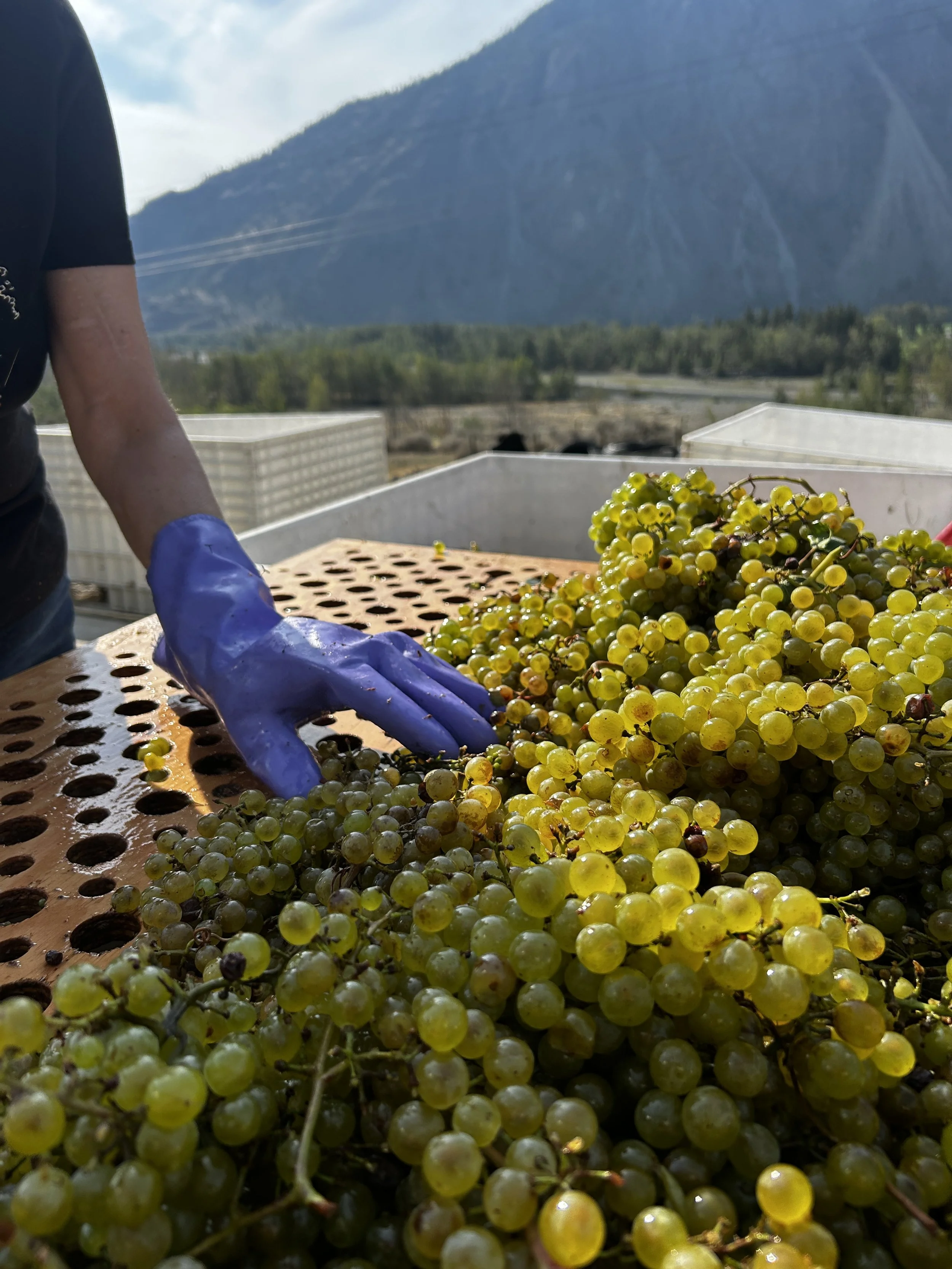
Most grapes that go into our sparkling are harvested between August 20 and September 20, when the acids are crisp, and there isn’t too much ripeness. Especially on the white varietals. We sample for a few weeks to coordinate picking time to get the perfect balance.
-
Most of the wines are whole-cluster pressed, meaning we do not destem. When we do destem… it’s by HAND! We have hand destemmers, which are much more gentle on the grapes than expensive machinery. No electricity, just old-fashioned handwork.
We use a water bladder press primarily which requires no electricity and is a gentle pressing process on the grapes. We also use a pneumatic press at other wineries when the lot is above 5 tons and we need more volume. This year, we will be using an anvil press as well.
We use “free run” juice for reserve traditional methods, as this is the pure juice that comes off even before the press begins its cycle. This juice tends to have fewer solids, is fresher, and has fewer tannins and compounds that can occasionally disrupt bubble production.
-
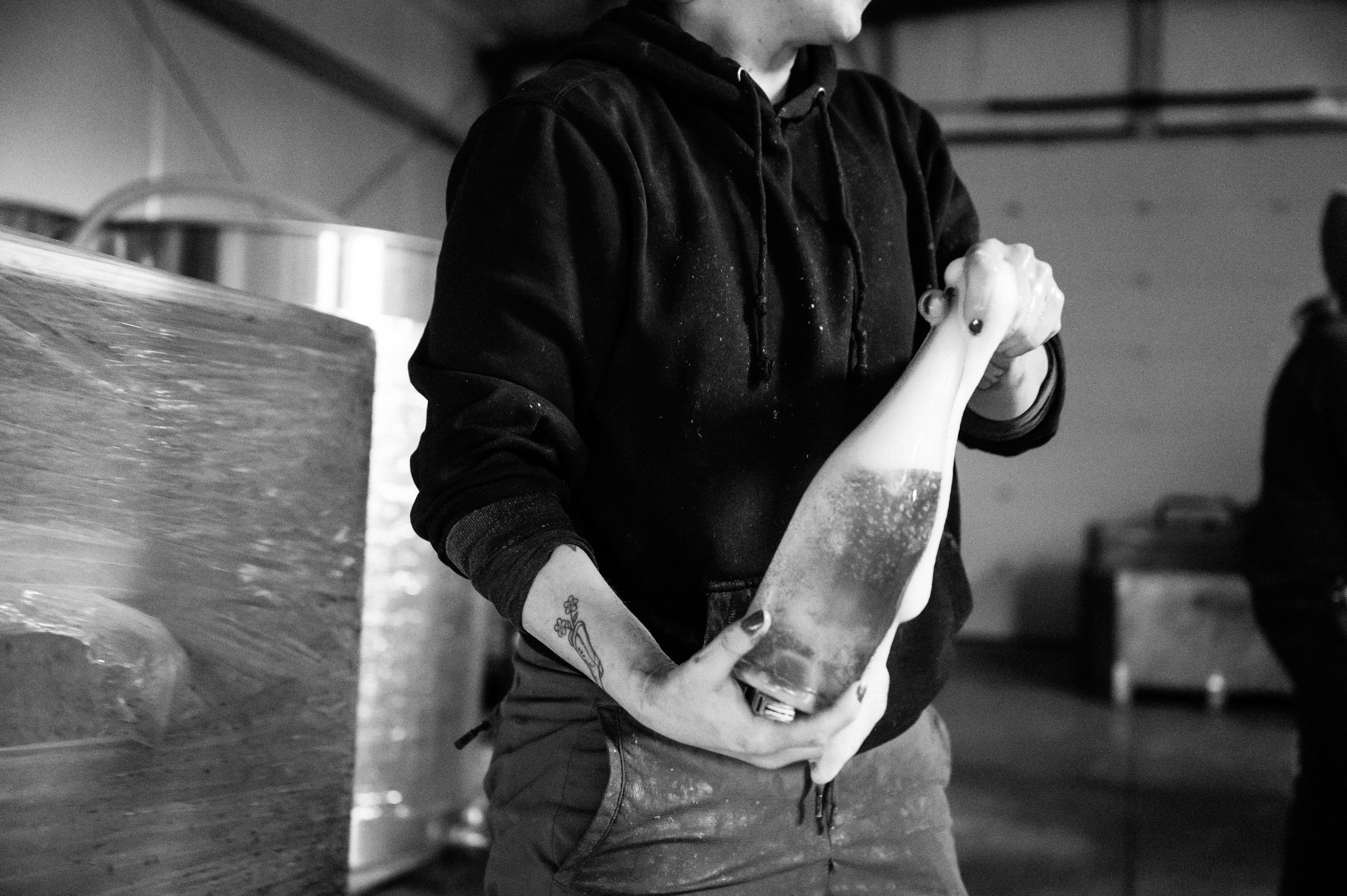
Whether pet-nat or traditional method, all our wines are laid down for fermentation in bottle, then riddled to encourage yeast to move to the next part of the bottle, which we expel during disgorgement. We then top up the bottles with wine and add a teeny bit of sulphur to lock in freshness and quality.
We use 2 methods to make bubbles, explained below:
ANCESTRAL METHODE:
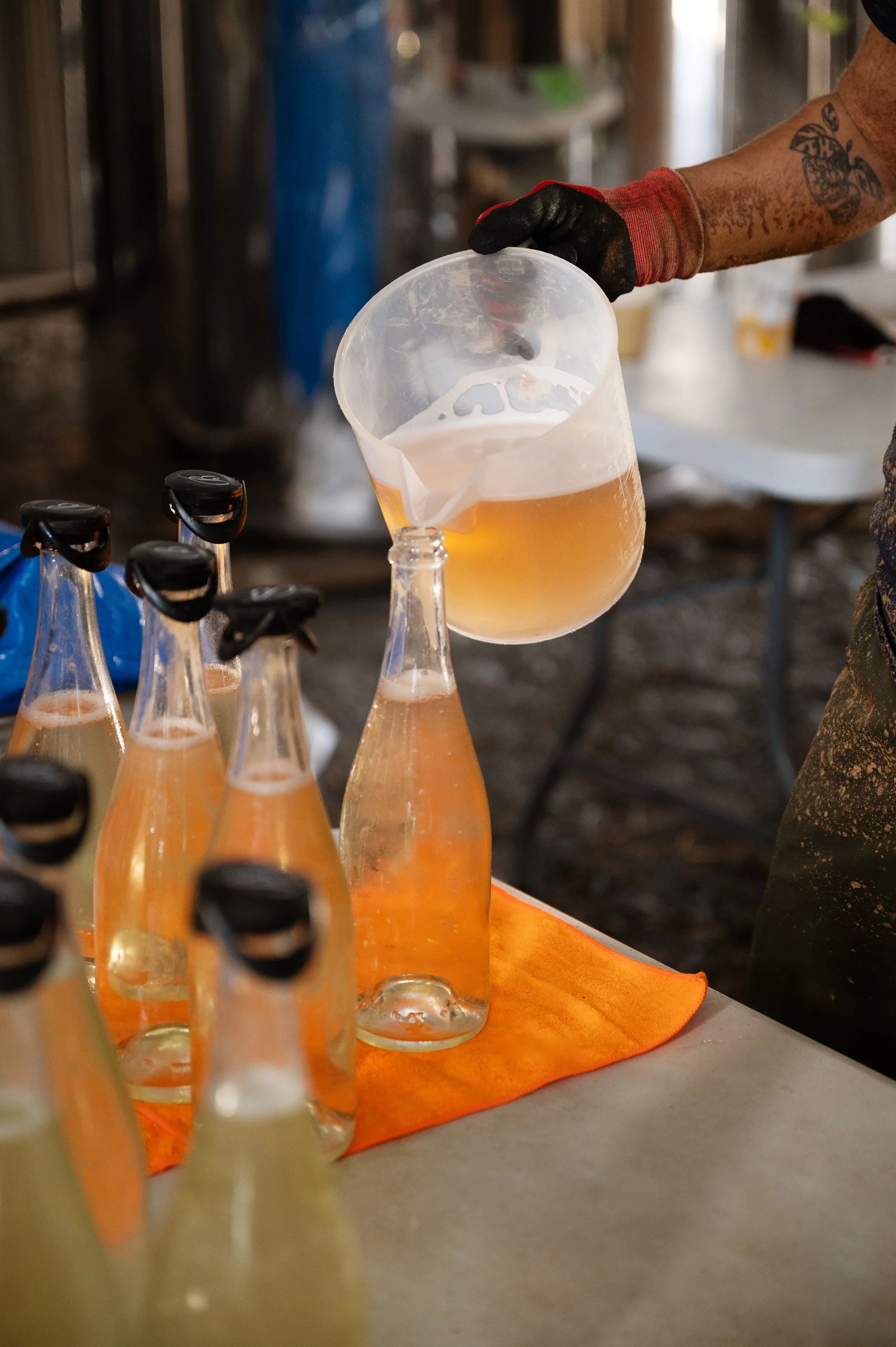
An example of one of our Ancestral bubbles: Field Blend No. 1
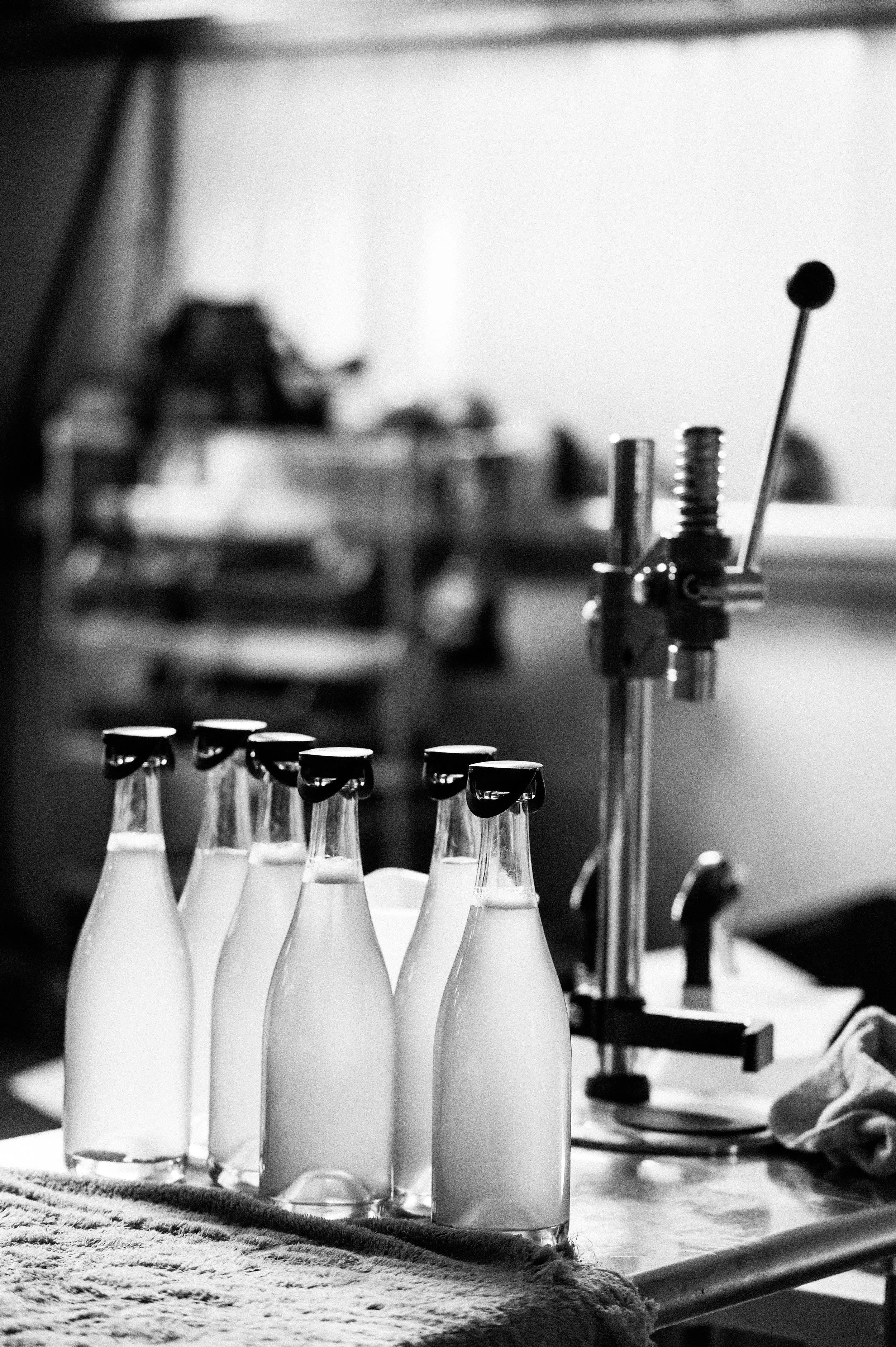
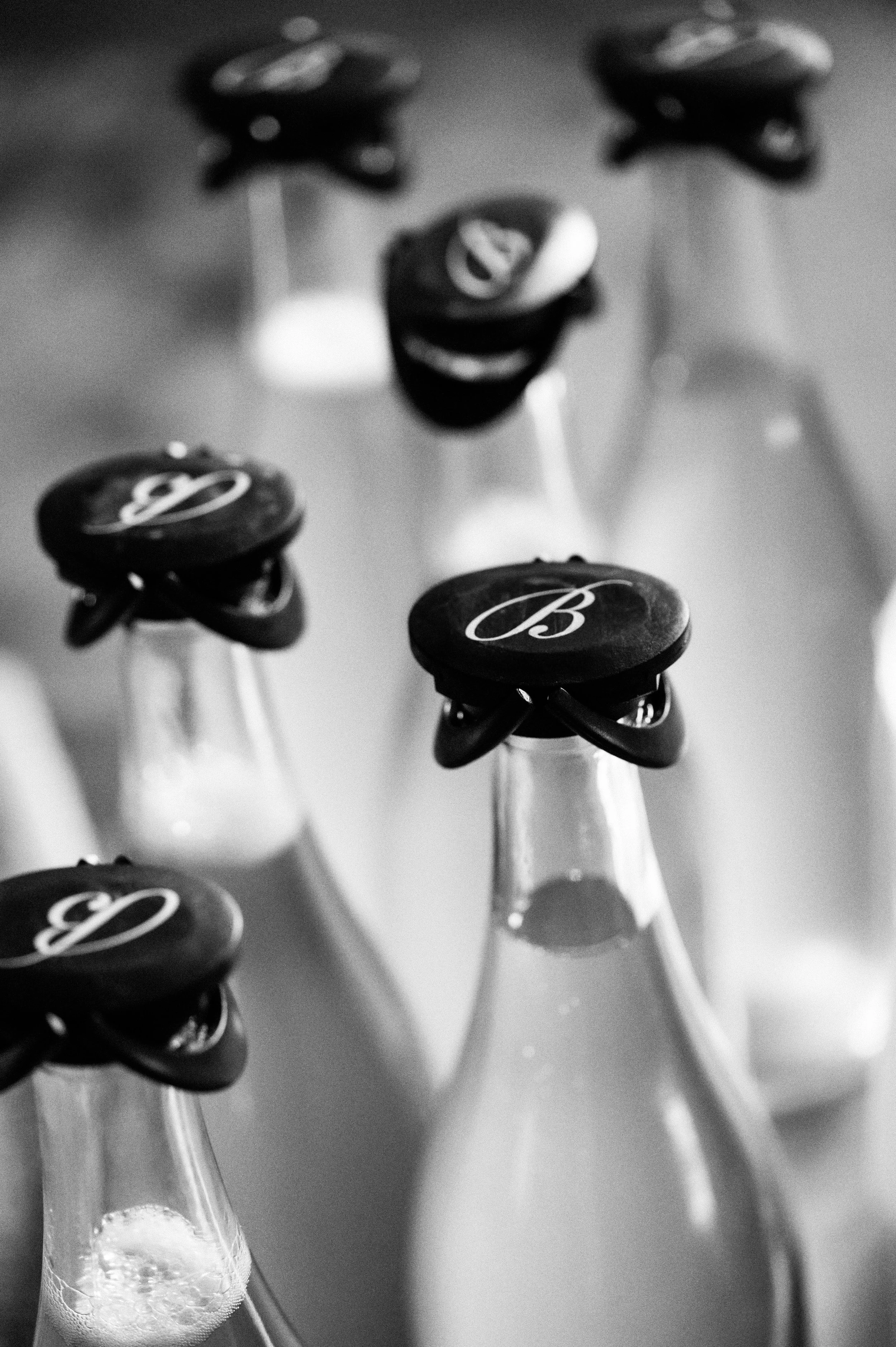
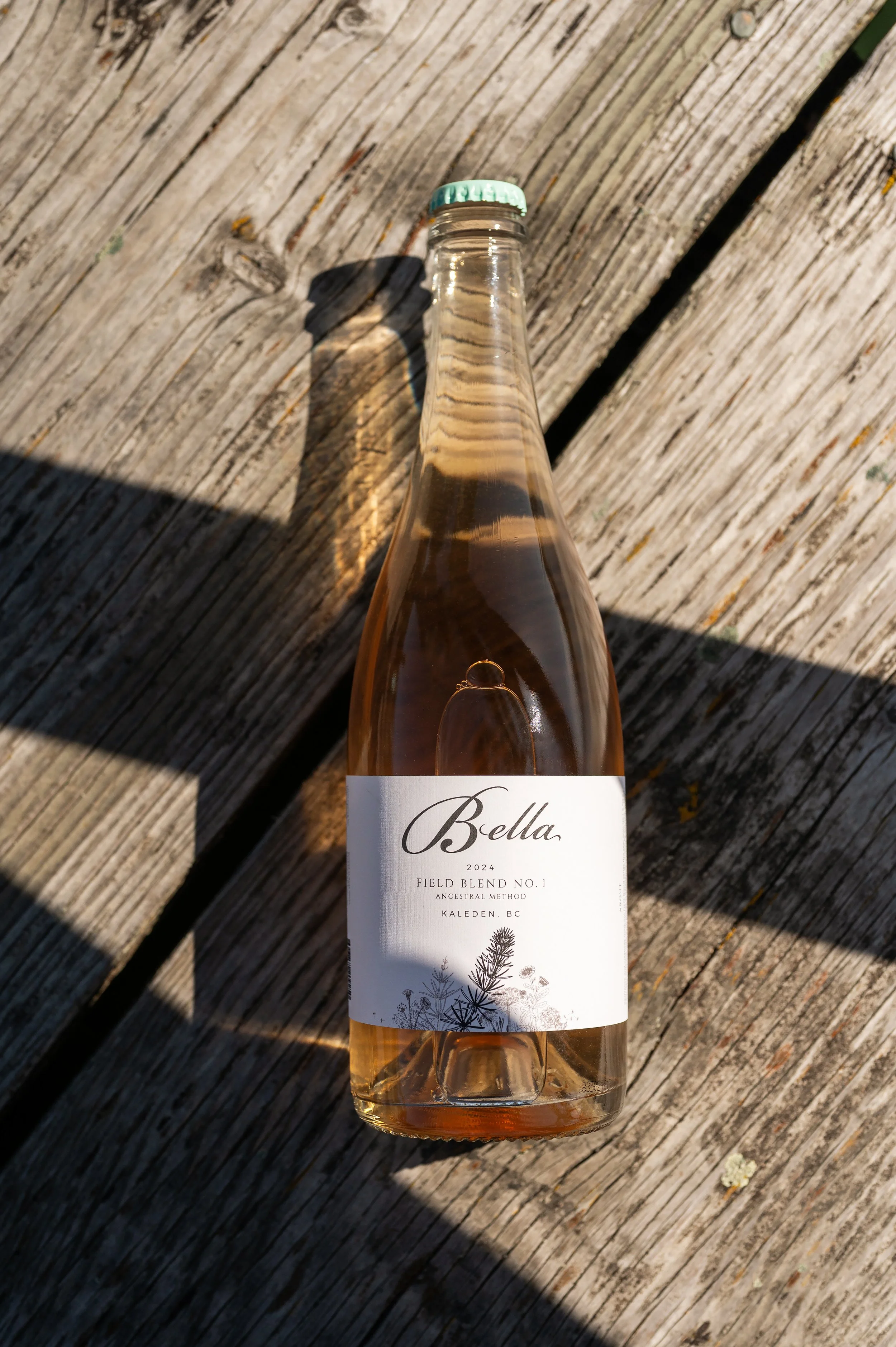
Direct-pressed juice is fermented in stainless steel with gentle stirring throughout. Then, when the sugars were low, we hoisted it onto a forklift, syphoned the wine into individual bottles, capped them, and let them finish fermenting in the bottles. We then riddle them to encourage the dead yeast cells (lees) down the neck of the bottle, then pop the top to expel the solids. We then top it off with wine (see above) and recap.
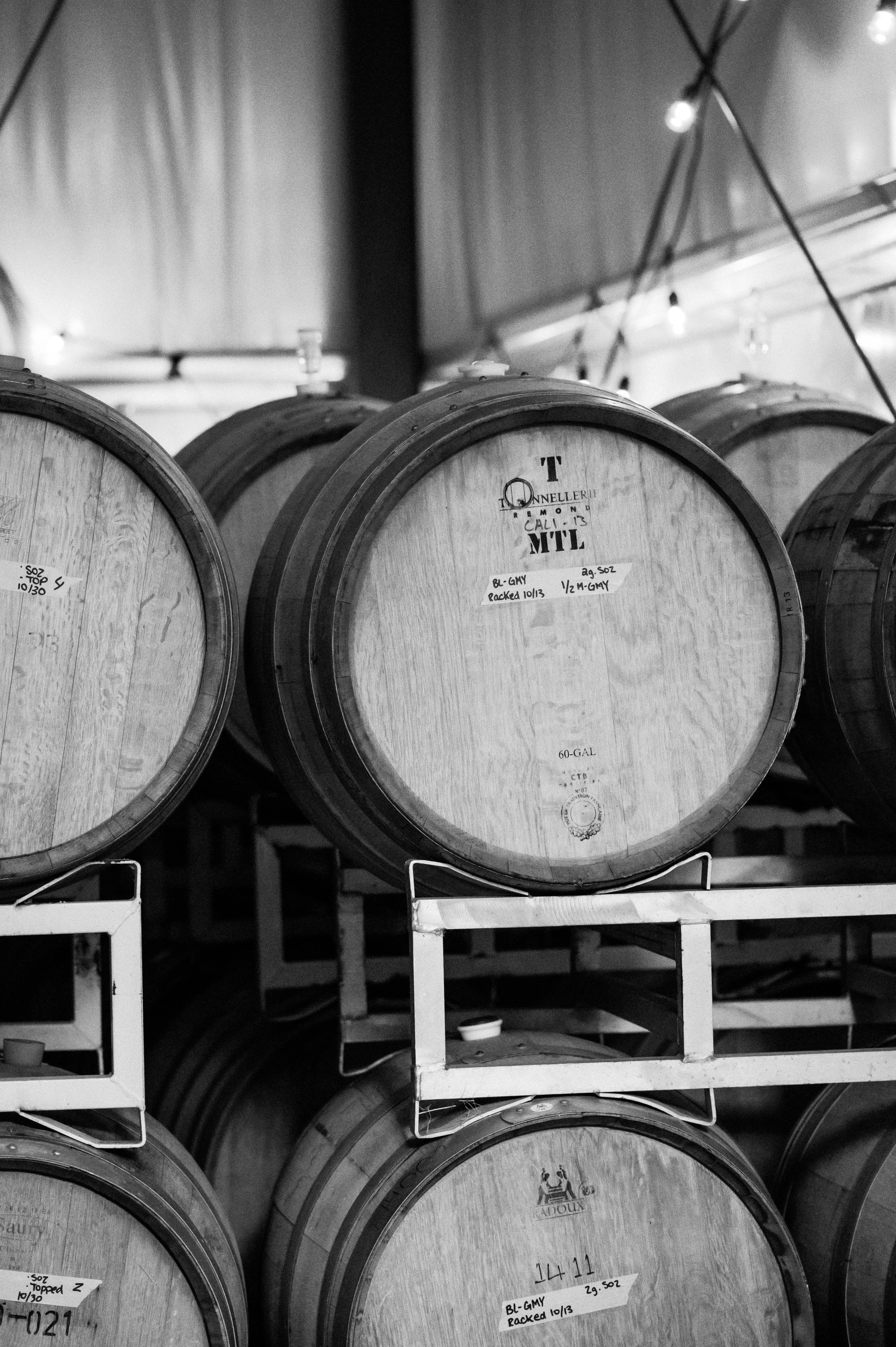
Pressed juice goes straight into a neutral barrel or stainless tank for wild fermentation. When it hits about 2 brix, we bottle it by hand and let it finish fermenting in the bottle—pure gravity flow, no filtering. This method leaves more natural lees and a bit of cloudiness that clears over time. Some sediment might hang out, but that’s just part of the charm.

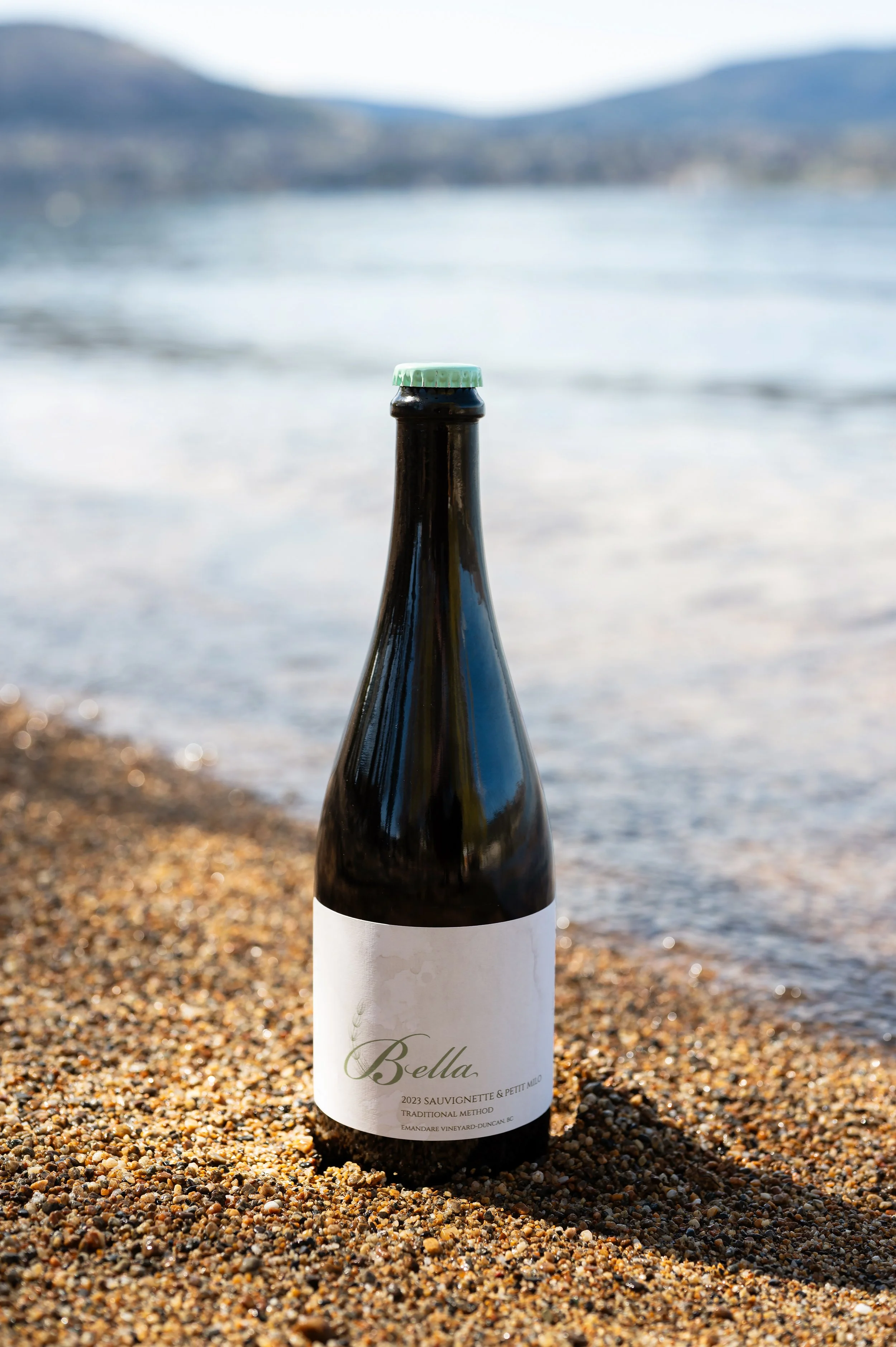
TRADITIONAL METHOD:
Our first fermentation is totally wild—no added yeast, nutrients, or enzymes—just feral juice doing its thing in tank or barrel. Once dry, we transfer the wine off-site for the second fermentation, where sugar and yeast are added just before bottling. No commercial yeast ever touches our facility. The wines aren't filtered, and after 4–6 months on lees, they’re hand-riddled, machine-disgorged, and finished brut nature—bone dry, no dosage.
Take our “Island Traditional” for example: the still wine was primarily fermented in 2023, letting the still, finished wine chill out in the barrel for a while before we did a secondary fermentation on the wine to deliver a toasty, richer style.